

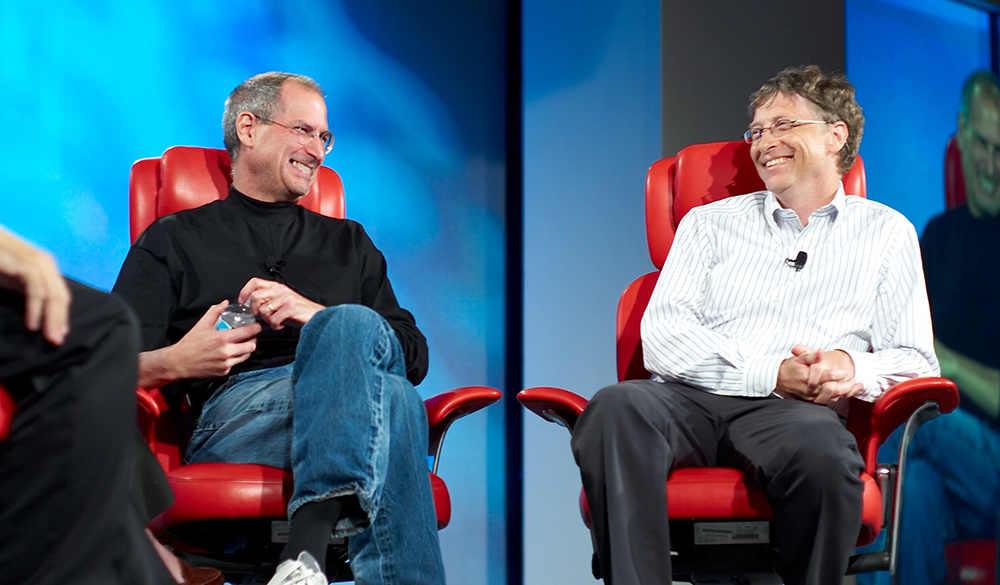
In 1979, Steve Jobs paid $1M to see Xerox's secret project.
Then Bill Gates found out through a former Xerox employee.
Within months, both were racing to copy what Xerox was working on.
It ended up sparking the biggest rivalry in tech history...
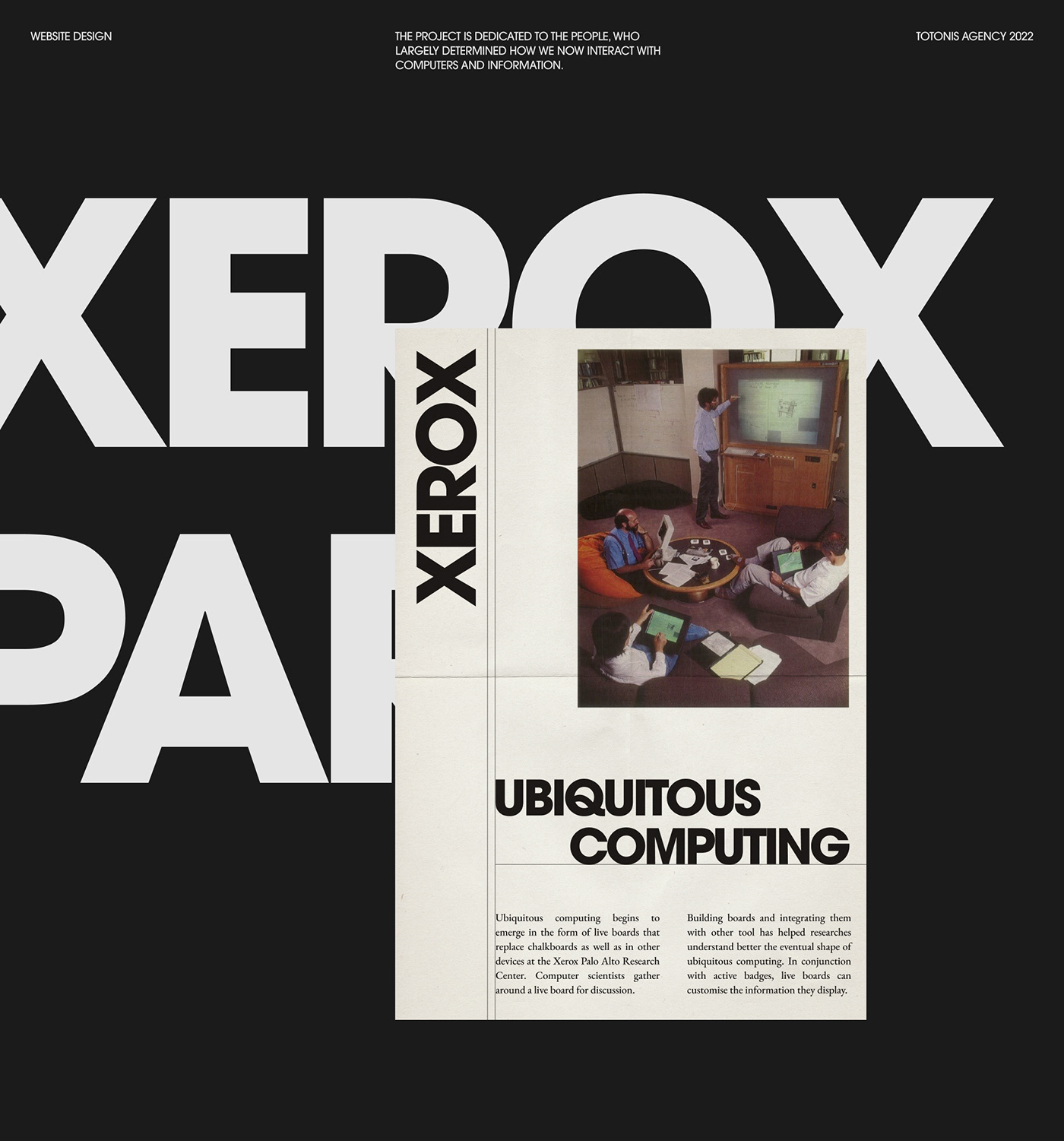
1979: A young Steve Jobs visits Xerox PARC.
What he sees changes computing forever: A revolutionary interface where you can point and click with a mouse.
No more typing commands. Just visual icons you can interact with.
But this story isn't about Xerox...
It's about what happened next:
Jobs immediately realizes this is the future of computing.
He negotiates a deal: Apple offers Xerox 100,000 shares of pre-IPO stock worth $1M to peek at their technology.
Then...
He assigns his best engineers to build something similar.
But someone else had the same idea...
Enter Bill Gates.
Through a former Xerox researcher named Charles Simonyi, Microsoft also learns about this revolutionary interface:
Both companies are now racing to bring this technology to market.
But there's a crucial difference in their approach:
Jobs wants to create a closed system. Perfect software running on perfect hardware.
Gates sees it differently:
He wants Windows to run on ANY computer.
This fundamental difference would spark a war that shaped computing forever...
1984: Apple launches the Macintosh.
It's revolutionary. The first mass-market computer with a graphical interface.
Microsoft is simultaneously developing Windows.
Jobs discovers this and is furious. He feels betrayed.
But here's where it gets interesting...
1985: Microsoft and Apple sign a pivotal agreement.
Apple grants Microsoft a non-exclusive, worldwide, royalty-free, perpetual license to use derivative works of Apple's Lisa and Macintosh visual displays.
This Agreement means.....
Apple gave Microsoft permission to use parts of how their computers looked and worked (like the screen layout and graphics), such as the designs from Apple’s Lisa and Macintosh computers.
- "Non-exclusive" means Apple could give this permission to others too, not just Microsoft.
- "Worldwide" means Microsoft could use this permission anywhere in the world.
- "Royalty-free" means Microsoft didn’t have to pay Apple any money to use it.
- "Perpetual" means Microsoft could use it forever.
- "Derivative works" means Microsoft could build its own versions or improvements based on Apple’s visual style.
The agreement contains a critical loophole:
It extends to "present and future software programs."
This detail would come back to haunt Apple...
1987: Microsoft releases Windows 2.0.
It looks remarkably similar to the Mac interface.
Jobs is livid...
He believes Gates has exceeded the agreement.
This led to a series of exchanges between Jobs and Gates
The battle lines were drawn...
1988: Apple sues Microsoft for copyright infringement.
The lawsuit claims Windows 2.0 copied the Mac's visual displays and interface elements.
But the 1985 agreement's loophole proves devastating:
The court rules that the "future software" clause protects Microsoft.
The war isn't over, though...
1997: Apple is nearly bankrupt.
Their stock is plummeting.
The Mac vs Windows war has taken its toll.
Then something unexpected happens:
Bill Gates appears on screen at Macworld, announcing a $150M investment in Apple.
The audience boos. But this moment changes everything...
The investment comes with a deal:
• Microsoft will keep developing Office for Mac
• Apple makes Internet Explorer their default browser
• Both companies agree to a broad patent cross-licensing agreement
It helps stabilize Apple's finances.
But more importantly, it ends the Graphic User Interface wars.
But there's a deeper lesson:
The GUI war wasn't just about interfaces.
It was about two visions of computing:
• Apple's controlled ecosystem
• Microsoft's open platform
So, what can we learn from the Microsoft vs Apple fight and agreement?
- A loophole can change everything.
One vague line in a contract gave Microsoft long-term rights Apple couldn’t take back.
- Vision without a smart strategy can cost you.
Jobs had a dream. Gates had the game plan - and the win.
- Ideas don’t win. Execution does.
Xerox invented it. Apple refined it. Microsoft scaled it.
- Your enemy today could be your helper tomorrow.
Microsoft saved Apple from collapse in ’97. Business is full of surprises.
- Protect your uniqueness.
Apple gave away too much for free. What made them special lost its edge.
- Your business model shapes your future.
Closed systems build control. Open systems build dominance. Choose wisely.
This isn’t just a tech Story. It’s a masterclass in strategy, vision, negotiation, and survival.
What side would you have played? The perfectionist or the strategist?
Comments