

នៅចុងនៃវីដេអូតន្ត្រី “សុវណ្ណភូមិ” របស់លោក វណ្ណដា មានបង្ហាញរូបភាពមួយដែលបានបង្កើតសំណួរជាច្រើនចំពោះអ្នកមើល។ បងប្អូនមួយចំនួនបានសួរថា៖
“រូបនេះជាអ្វី? មានន័យអ្វីខ្លះ?”
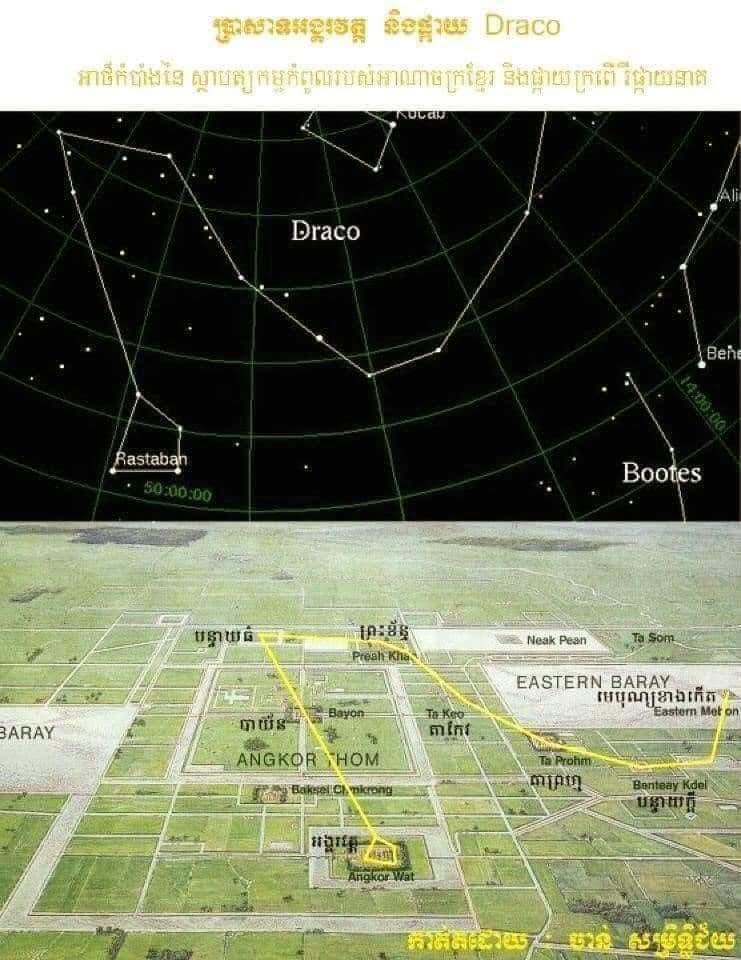
រូបភាពនោះជាតំណាងនៃគ្រឹះទស្សនៈនៃការសាងសង់ប្រាសាទរបស់បុព្វបុរសខ្មែរ នៅតំបន់អង្គរ។ ប្រាសាទមិនត្រូវបានសង់ឡើងសម្រាប់គោរពបូជាប៉ុណ្ណោះទេ ប៉ុន្តែបញ្ចូលបច្ចេកទេសនៃ តារាសាស្ត្រ, ភូមិសាស្ត្រ, និងវិទ្យាសាស្ត្រដ៏ជ្រាលជ្រៅ បំផុត ដែលបង្ហាញពីចំណេះដឹងខ្ពស់របស់មនុស្ស បុរាណខ្មែរ។
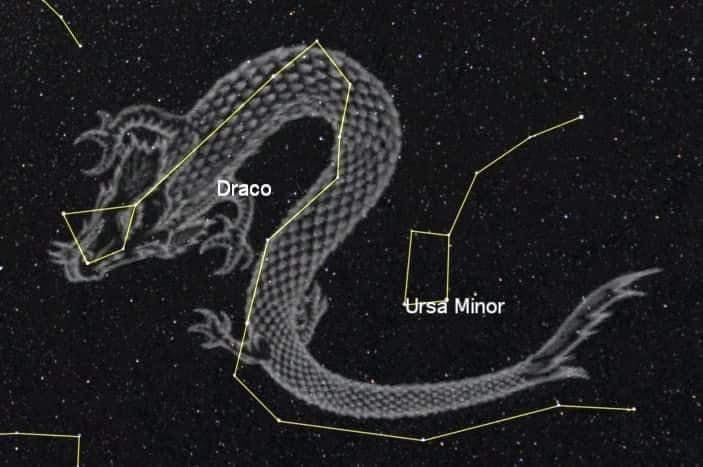
យើងអាចមើលឃើញថា ប្លង់នៃប្រាសាទធំៗមួយចំនួននៅអង្គរ—ដូចជា អង្គរវត្ត និង ព្រះខ័ន (កំពង់ស្វាយ)—ត្រូវបានរៀបចំឲ្យស្របតាមទ្រង់ទ្រាយនៃ ក្រុមផ្កាយ Draco ដែលបកប្រែថា “ផ្កាយនាគ” ព្រោះវាមានរាងដូចនាគវង់វេញ។
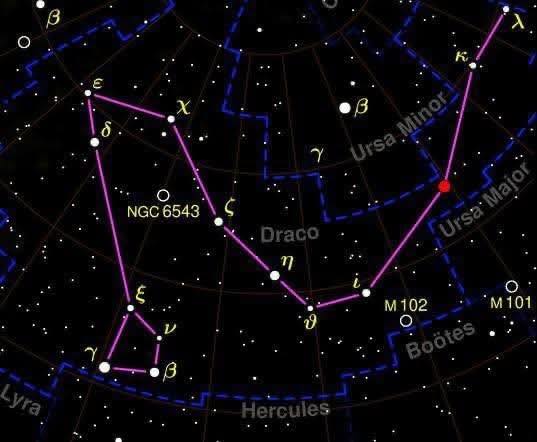
Draco ជាក្រុមផ្កាយដ៏សំខាន់មួយ ក្នុងចំណោម ៤៨ ក្រុមផ្កាយបុរាណនៅលើមេឃ។ វាអាចមើលឃើញនៅមេឃភាគជើង បំផុតនៅខែ កក្កដា ប្រហែលម៉ោង ៩ យប់។ យើងអាចមើលឃើញវាពិសេសនៅលើមេឃនៃប្រទេសកម្ពុជាយើង ពេលមេឃច្បាស់។
នៅអង្គរយើងបានរកឃើញថា៖
• អង្គរវត្ត ត្រូវបានគិតគូ យ៉ាងម៉ត់ចត់ នៃ ប្លង់ឲ្យស្របជាមួយ ថ្ងៃ សមរាត្រី equinox)។ នៅថ្ងៃនេះ (ប្រហែលថ្ងៃទី ២១ ខែមីនា និងថ្ងៃទី ២១ ខែកញ្ញា) ព្រះអាទិត្យរះឡើងត្រង់លើ ប្រាង្គកណ្ដាល ពេលឈរនៅច្រកខាងលិច។ នេះបង្ហាញថា បុព្វបុរសខ្មែរមិនមែនសង់ប្រាសាទដោយចៃដន្យទេ តែស្ថិតនៅក្នុងគណនានៃចលនាព្រះអាទិត្យ។
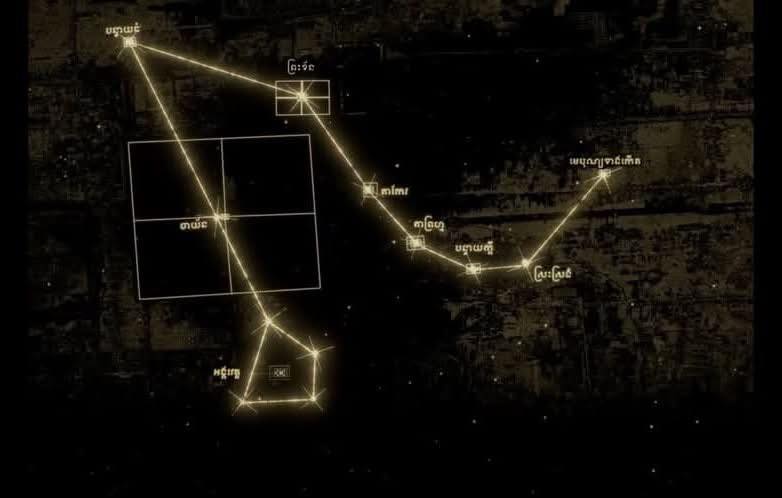
• ការរៀបចំទីតាំងប្រាសាទជាច្រើននៅអង្គរ និងតំបន់ជុំវិញ គឺដូចជាការបង្កើតប្លង់ដើម្បីឲ្យស្របទៅនឹងរូបរាង ក្រុមផ្កាយ Draco ដូចជាប្រាសាទ អង្គរវត្ត, ព្រះខ័ន (កំពង់ស្វាយ), និងតំបន់ប្រាសាទ កោៈកេរ វាបង្ហាញពីចក្ខុវិស័យធំល្វឹងល្វើយក្នុងការជ្រើសរើសទីតាំងដោយផ្អែកលើផ្កាយ។
សំណួរដែលគ្រប់គ្នាចង់ដឹងគឺ៖
តើបុព្វបុរសខ្មែរសម័យអង្គរអាចរៀបចំសំនង់ប្រាសាទឲ្យស្របទៅនឹងផ្កាយ Draco និងព្រឹត្តិការណ៍ថ្ងៃសមរាត្រី ដោយរបៀបណា នៅពេលមិនមានបច្ចេកវិទ្យាទំនើបដូចសម័យបច្ចុប្បន្ន?
ចម្លើយនោះគឺ៖
ដូនតាខ្មែរមានចំណេះដឹងជ្រៅជ្រះនៃតារាសាស្ត្រ, គណិតវិទ្យា, ភូមិសាស្ត្រ, និងអាកាសវិទ្យា។ ពួកគាត់ជាមនុស្សឯកទេសគ្រប់វិស័យ សឹងតែគ្រប់វិទ្យាសាស្ត្រដែលយើងសិក្សានៅសាលាពេលនេះ។ ប្រាសាទមិនមែនជាគ្រាន់តែសំណង់ថ្មទេ ប៉ុន្តែជាការតំណាងនៃ ចក្ខុវិស័យខ្មែរនៃចក្រភព ដ៏អស្ចារ្យ ជាឋានសួគ៏ ក្រោមមេឃ។
នេះជាភស្តុតាងថា អង្គរ មិនមែនជាសំណង់ធម្មតានោះទេ ប៉ុន្តែជាសមិទ្ធផលនៃចំណេះដឹងខ្មែរបុរាណក្នុងការបង្ហាញអត្តសញ្ញាណវប្បធម៌ តារាសាស្ត្រ និងសាសនា រួមជាមួយចក្ខុវិស័យនៃសិល្បៈនិងវិទ្យាសាស្ត្រខ្មែរតាំងពីសម័យអង្គរ។
-
-
In the music video “Sovannaphum” by VannDa, the final scene features an intriguing image that has sparked curiosity among viewers. Many are asking:
What does this image represent?
This image symbolizes the cosmic foundation behind the construction of Khmer temples at Angkor. Our ancestors didn’t just build temples for religious purposes—they embedded profound knowledge of astronomy, cosmology, geometry, and spiritual science into their designs.
One remarkable discovery is that the layout of some major temples in Angkor—particularly Angkor Wat and Preah Khan of Kompong Svay—aligns with the shape and orientation of the constellation Draco, also known as the Nāga constellation due to its serpent-like form.
Draco is one of the 48 ancient constellations and is visible in the northern hemisphere, wrapping around the north celestial pole. Its long, winding shape resembles a great serpent or nāga—an image deeply rooted in Khmer mythology and temple symbolism. You can best observe Draco in the northern sky during July around 9 PM.
At Angkor, scholars and archaeo-astronomers have observed that:
• Angkor Wat is aligned with the spring and autumn equinoxes. On these days (around March 21 and September 21), the sun rises directly over the central tower when viewed from the western entrance. This precise alignment is not accidental—it reflects the Khmer understanding of solar cycles and cosmic order.
• The overall layout of the Angkor region, when viewed from above, corresponds with stellar alignments, including a pattern that matches Draco. Some researchers suggest that temple sites such as Angkor Wat, Preah Khan (Kompong Svay), Koh Ker, and others may have been strategically placed to reflect stars in the night sky.
This leads to a fascinating question:
How did the Khmer people, without modern instruments, manage to align temples to stars like Draco and key solar events like the equinoxes?
The answer lies in their mastery of ancient astronomy, land surveying, and sacred geometry. They were not only brilliant engineers and sculptors, but also scientists and astronomer-priests. Their work encoded both the heavens and the earth—creating sacred landscapes that mirrored the cosmos.
This is a powerful reminder that Angkor is not just a masterpiece of stone, but a living expression of Khmer cosmic vision and intelligence, rooted in deep spiritual knowledge.


I used to watch a documentary on Discovery channel about this.