

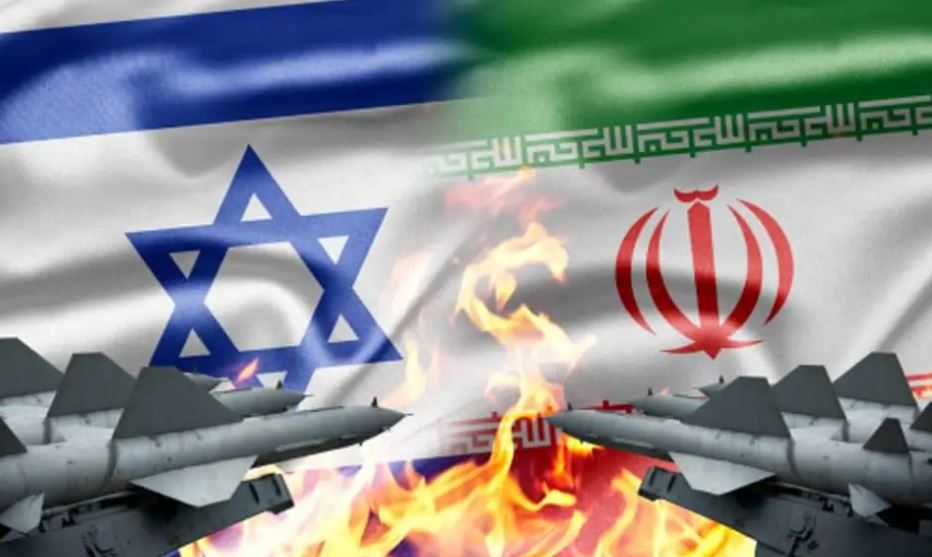
The tensions and conflict between Israel and Iran are rooted in a mix of ideological, geopolitical, and strategic factors that have built up over decades. Here’s a breakdown of the key reasons:
⸻
1. Ideological Opposition
• Iran’s Islamic Revolution (1979): After the revolution, Iran adopted a theocratic regime under Ayatollah Khomeini, which positioned itself as strongly anti-Israel.
• Iran refuses to recognize Israel as a legitimate state and openly supports the Palestinian cause. Iranian leaders have called for the elimination of the “Zionist regime.”
⸻
2. Iran’s Support for Anti-Israel Militias
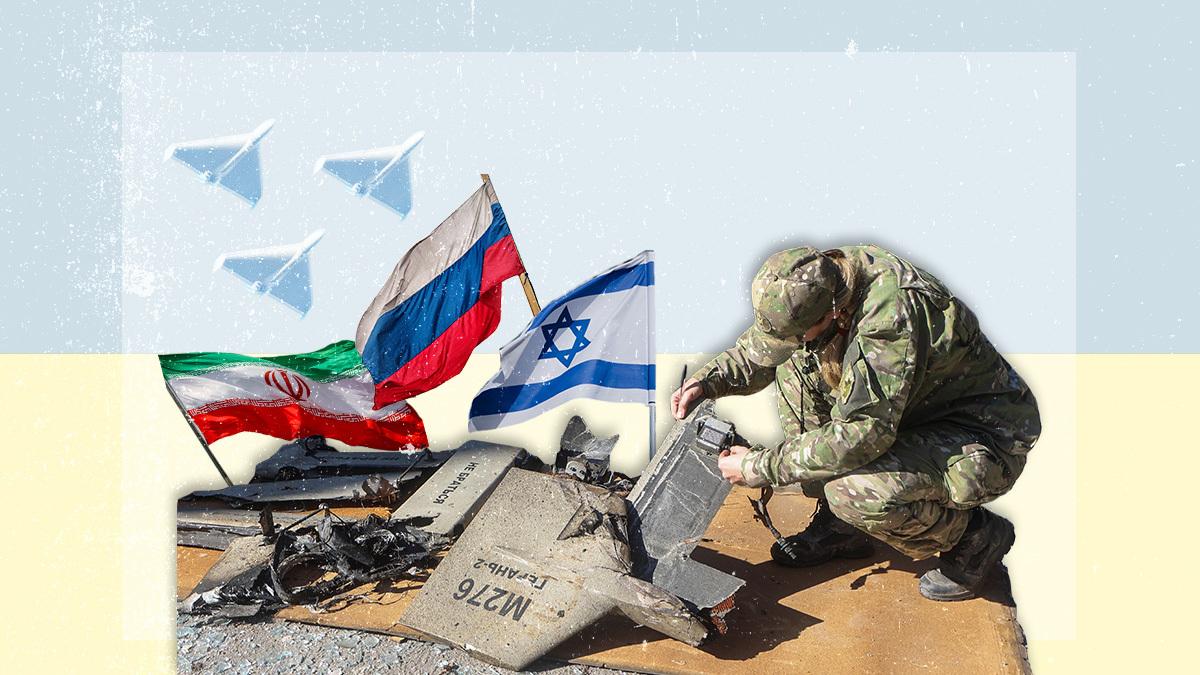
• Iran provides military, financial, and logistical support to groups like:
• Hezbollah in Lebanon
• Hamas and Palestinian Islamic Jihad in Gaza
• These groups frequently engage in attacks on Israel, and Israel considers them major threats.
⸻
3. Nuclear Tensions
• Iran’s nuclear program is seen by Israel as an existential threat.
• Israel and its allies fear Iran could build nuclear weapons, despite Iran claiming its program is peaceful.
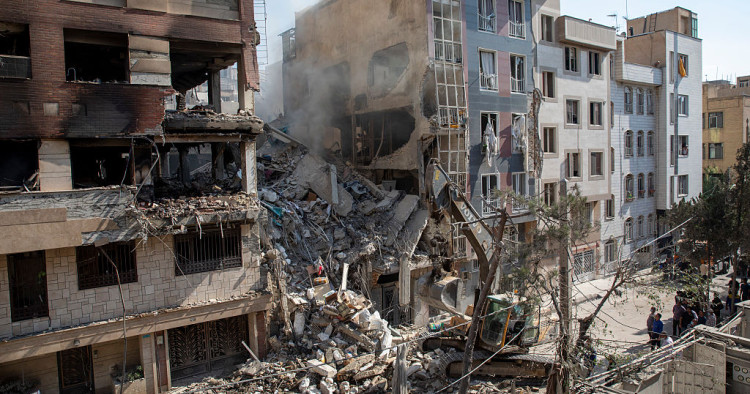
• Israel has conducted covert operations (e.g., assassinating Iranian nuclear scientists, cyberattacks like Stuxnet) to hinder Iran’s nuclear development.
⸻
4. Regional Power Struggle
• Iran aims to expand its influence across the Middle East (especially in Syria, Iraq, Lebanon, and Yemen).
• Israel sees this as a strategic threat, especially Iran’s military presence in Syria, close to Israeli borders.
⸻
5. Syria as a Battleground
• Israel has repeatedly carried out airstrikes in Syria to target Iranian forces and weapons shipments to Hezbollah.
• Iran views these strikes as aggression and responds through its proxies or threats.
⸻
6. Recent Escalations (2023–2024–2025 context)
• The Israel–Hamas war in Gaza (October 2023) intensified the conflict.
• Iran is widely seen as having backed Hamas in this war, and Israel blames Iran for escalating regional tensions.
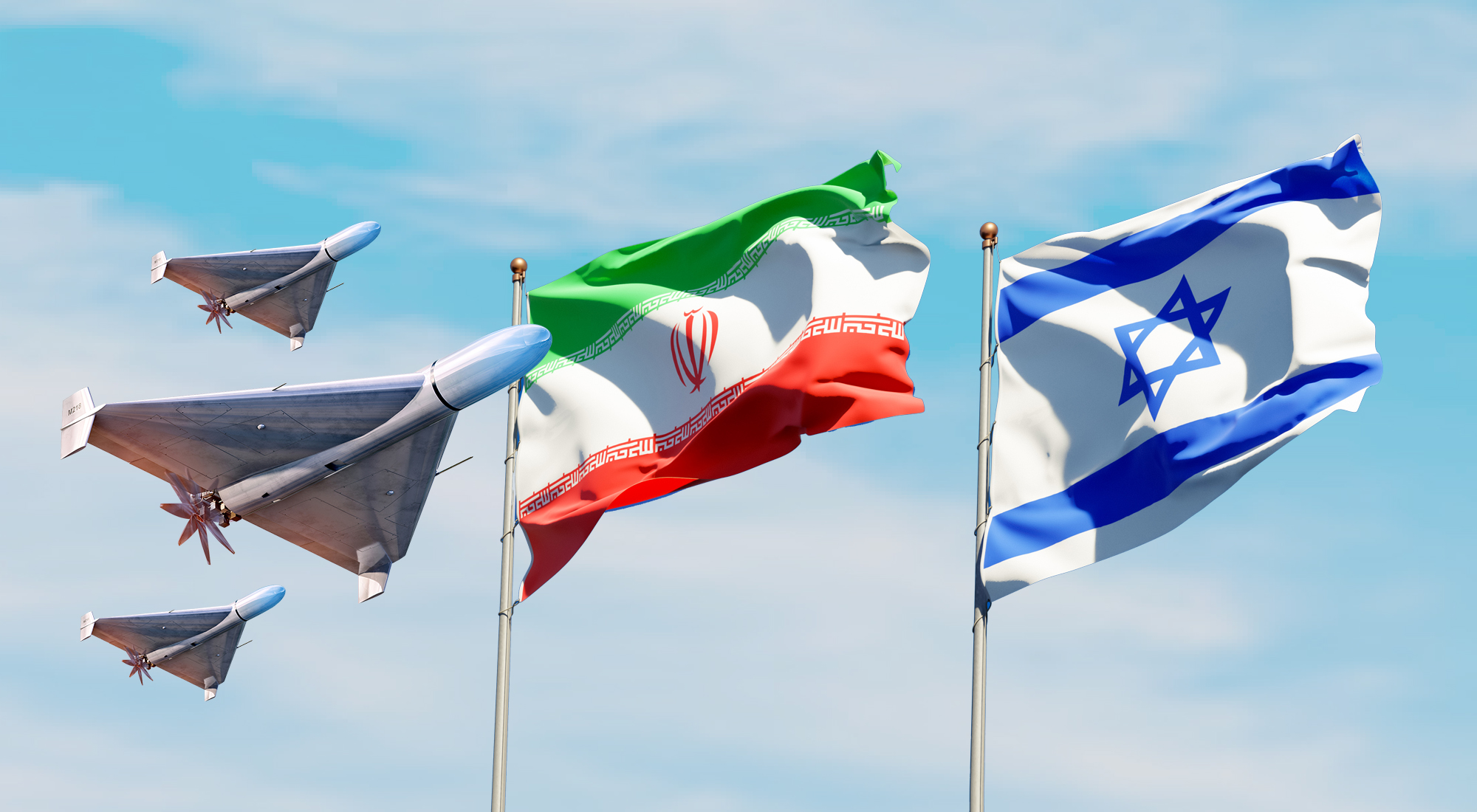
• In April 2024, Iran launched a direct missile and drone attack on Israel for the first time, after an Israeli airstrike killed Iranian military officials in Syria. This was a major turning point.
⸻
In Summary:
The Israel–Iran conflict is not a traditional war but a “shadow war”—involving cyberattacks, proxy forces, intelligence operations, and occasional direct strikes. It’s driven by:
• Deep ideological hatred,
• Regional power rivalry,
• Proxy warfare,
• The fear of nuclear escalation.
 1031.654 SRY