

After 83 years of investing and building a $700 billion empire, Warren Buffett is ending his glorious career.
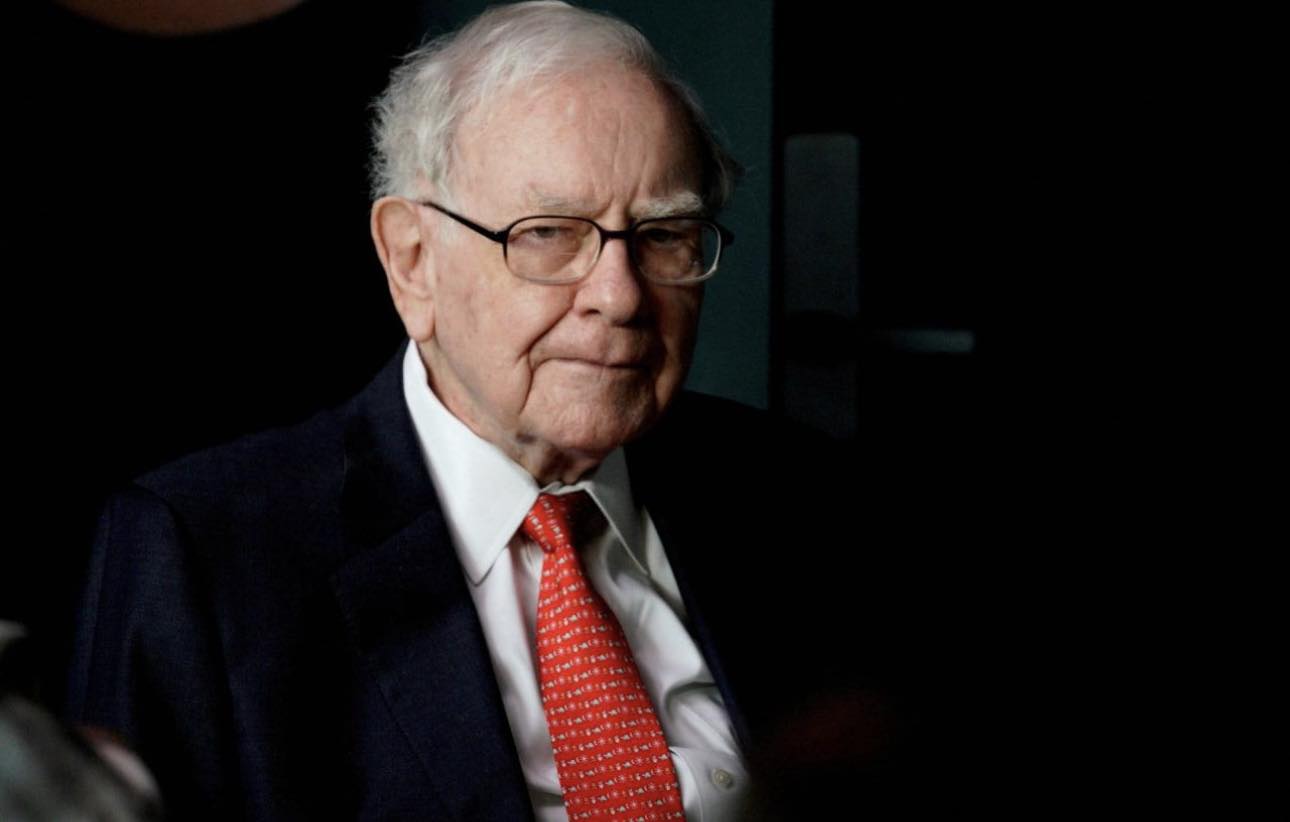
At age 11, he bought his first stock and quietly signaled to the world that a star was born—someone who would go on to conquer the financial world for nearly a century.
Many people have made money, gained fame, and won public admiration, but very few have earned all three. Buffett is one of those few.
Even as a child, he told his sister he would be very rich one day—and as we know, it became a self-fulfilling prophecy.
At 94, he still laughs, makes jokes, and enjoys life.
He’s been that way his entire life.
While most investors fear crises and market volatility, Buffett has always been like a captain steering his ship through violent storms with calm and precision. If investing were a sea voyage, Buffett would undoubtedly be the master of the ocean.
There have been very few crises in which he didn’t make money. Where 99% lost, Buffett gained.
Banking and insurance businesses were like his own children—he understood them so deeply that CEOs from major banks would fly to Omaha during crises, seeking his guidance.
Buffett never relied on complex formulas. His investment decisions were grounded in simple, human questions: Will this business survive 15–30 years from now? Can it grow market share and profits over time?
Answering those simple questions made him billions.
He admits he only made about 12 great decisions in his entire career. Without those 12, Berkshire and Buffett might have been just another average asset manager.
That’s why he says: you don’t have to be right all the time, but when you are, bet big. Great opportunities are rare.
Buffett is not only the father of value investing but also a pioneer of concentrated investing. He realized early on that billionaires are not made by diversifying—they're made by focusing on their best ideas.
He challenged the teachings of business schools and proved again and again that the market rewards simplicity, patience, and focus more than theoretical models.
In the financial world, making money is the final verdict. Buffett’s track record made him ultimately right because the market agreed with his logic.
He often criticized economists for always waiting for downturns, seeing them as pessimists. Buffett was the eternal optimist. As he said: pessimists may sound smart, but optimists make the money.
2 pillars defined his entire investment philosophy: Never bet against America, and deeply understand the business you invest in.
In his annual letters, using plain words, he taught thousands—if not millions—about business and investing.
More billionaires have been made by following Buffett’s philosophy than anyone else’s. Over 20 people became billionaires simply by copying his approach.
Comments